AMS & Color
Bambu Lab AMS HT
One spool, dried hotter than any standard unit manages, printed straight from the box. Built for engineering filament, not for color.
By Michael W. · Published October 5, 2026
Some links here are Amazon affiliate links, so a purchase may earn this site a commission at no cost to you. It does not change what gets recommended or the order it appears in — how that works.
AMS HT or a high-temperature dryer?
AMS HT if engineering filament is routine. Printing straight from a heated unit removes the window where a dried spool sits reabsorbing moisture during a long print, and with nylon that window genuinely matters.
A standalone high-temperature dryer if it is occasional. It covers more spools for less money, and the reabsorption gap is tolerable if you are printing nylon once a month rather than weekly.
Full version: AMS HT vs a dryer.
Why engineering filament needs more heat
Drying removes absorbed water, and how much heat that needs depends on the polymer. PLA, PETG and TPU are served by units topping out around 70 C, which covers most hobby printing. Nylon, polycarbonate and PA-CF want substantially more — which is why a separate class of high-temperature unit exists at all, reaching around 110 C.
The constraint on all of this is the glass transition temperature: dry too hot and the spool fuses into a solid block. That is why "just turn it up" is not a strategy and why a unit designed for the higher range is a different product rather than the same product with a bigger number. Drying temperatures by material.
Why single-spool is correct here
Because of how engineering filament is actually used. You do not print four colors of nylon. You print one functional part in one material, often as a one-off, and you want that spool reliably dry for the hours the print takes.
A four-spool high-temperature unit would be a larger, more expensive answer to a problem nobody has. The shape of this product follows the use case, which is more than can be said for a lot of accessories.
The honest limits
One spool. Not a multi-color device in any sense.
It costs real money for a capability a dryer also provides. The difference is the reabsorption gap, which is a genuine but narrow advantage.
Only worth it if you print the materials it is for. For PLA and PETG an AMS 2 Pro or a standard dryer is the right spend.
Check fitment and material support for your exact printer and filament. This is a specialized unit and the compatibility details matter more than usual.
How it fits the rest of the lineup
It is the one AMS that is not about color. It sits alongside a 2 Pro rather than replacing it — four colors in one unit, one engineering material in the other — which is how a lot of people with mixed workloads end up configured.
What to buy
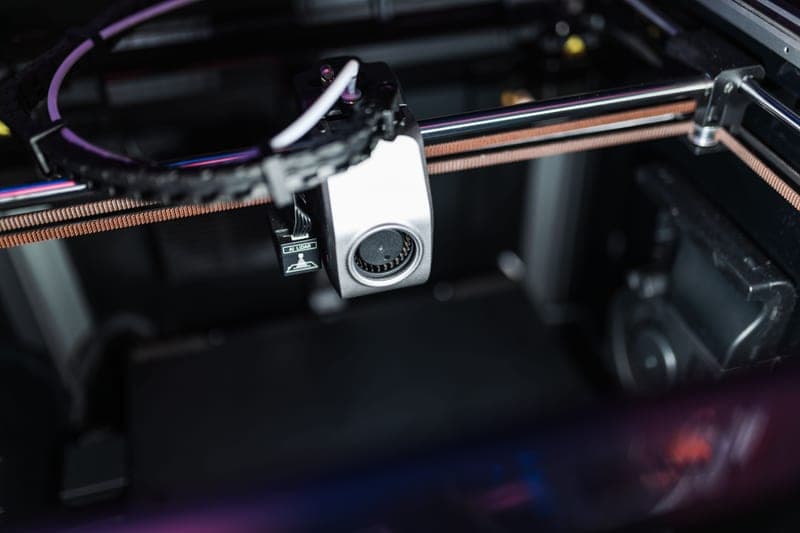
Stock photograph of this product class, not of this specific unit.
#ad We earn a commission · live price shown on Amazon
1. Best for nylon and polycarbonate
Bambu Lab AMS HT
Higher drying temperature than the 2 Pro, with no gap between drying and printing.
A single-spool unit with high-temperature active drying. That is a deliberately narrow product and the narrowness is the point: engineering filament is what needs serious heat, and you rarely want four spools of it.
Nylon, polycarbonate and carbon-filled nylon absorb moisture fast enough to ruin a print within a day of opening the bag. A 70 C standard dryer is not enough heat for those materials, and even a high-temperature standalone dryer leaves the reabsorption gap open once the spool is mounted. This closes both.
Whether it is the right purchase depends entirely on frequency — see the comparison below.
What it gets right
- Dries at a higher temperature than the AMS 2 Pro, which is what nylon and PC actually need
- Prints directly from the dryer, so there is no window where a dried spool sits absorbing moisture again
- Single spool is the right shape for engineering filament, which you rarely want four of
What it does not
- One spool. If multi-color is the goal, this is the wrong unit entirely
- Costs real money for a capability a standalone high-temp dryer also delivers
- Only worth it if you print materials that genuinely need the extra heat
| Type | Single-spool material system |
|---|---|
| Headline feature | High-temperature active drying |
Questions people actually ask
What is the AMS HT for?
Single-spool, high-temperature active drying, aimed at engineering filaments such as nylon, polycarbonate and carbon-filled nylon. Those absorb moisture fast enough to ruin a print within a day of opening the bag, and they need more drying heat than a standard 70 C unit provides.
Can the AMS HT print multiple colors?
No. It holds one spool. If multi-color printing is what you want, the AMS 2 Pro on an enclosed machine or the AMS Lite on an A-series machine is the right unit.
AMS HT or a standalone high-temperature dryer?
The AMS HT if engineering filament is routine for you, because printing straight from the heated unit removes the window where a dried spool reabsorbs moisture during a long print. A standalone dryer if it is occasional - it covers more spools for less money and the reabsorption gap is tolerable at low frequency.
Do I need the AMS HT for PETG?
No. PETG is served by standard-temperature drying, which an AMS 2 Pro or any decent dryer provides. The AMS HT exists for materials that need substantially more heat than PETG does.
Sources
Read this next
- AMS HT vs a filament dryerThe reabsorption gap explained, and whether it justifies an AMS HT over a standalone high-temperature dryer for your print mix.
- The best filament dryers in 2026Dryer picks split by temperature range and capacity, because a 70 C unit and a 110 C unit are different products for different materials.
- How to dry filamentFour drying methods compared, the temperature each material wants, and the one method that does not work despite being widely suggested.
- Bambu Lab AMS 2 ProWhy active drying makes the AMS 2 Pro a different product from the original AMS, and the case for buying it instead of a new printer.
- Do I need a hardened nozzle for this filament?The one rule that answers this for every filament, plus a per-material table covering PETG, ABS, CF, silk, wood, marble and glow.