Filament Drying
Bambu PETG HF vs PETG Basic
HF means high flow, which means speed rather than quality. Whether you benefit depends on what is actually limiting your prints.
By Michael W. · Published October 5, 2026
Some links here are Amazon affiliate links, so a purchase may earn this site a commission at no cost to you. It does not change what gets recommended or the order it appears in — how that works.
The verdict
HF means high flow. It is formulated to melt and extrude faster, which is a speed property rather than a strength or finish property.
Buy HF if you are genuinely flow-limited — printing fast, large parts, with a high-flow hotend that can keep up.
Buy Basic otherwise. At moderate speeds through a standard hotend, you are unlikely to see a difference worth paying for.
Either way, dry it. PETG is noticeably hygroscopic, and wet PETG strings regardless of which variant is on the spool. That matters far more than the flow rating.
What high flow actually means
A filament's maximum volumetric flow rate is how many cubic millimeters per second it can be melted and extruded without under-extruding. High-flow formulations raise that ceiling.
Which only matters if the ceiling is what is limiting you. Three things commonly limit print speed before filament flow does:
- Cooling. On small parts with fine detail, layers need time to solidify. Going faster produces a worse part regardless of flow capability.
- Hotend melt capacity. A standard hotend has its own flow ceiling. HF filament cannot exceed what the hotend can melt.
- Motion and acceleration. On intricate geometry the printer spends its time changing direction, not extruding.
If any of those is your limit, HF filament changes nothing measurable.
Side by side
| PETG Basic | PETG HF | |
|---|---|---|
| Primary difference | Standard flow | Higher maximum volumetric flow |
| Strength | Comparable | Comparable |
| Surface finish | Comparable | Comparable |
| Benefits from a high-flow hotend | Not particularly | Yes — this is where it pays off |
| Moisture sensitivity | Noticeable — dry it | Noticeable — dry it |
| Hardened nozzle needed | No | No |
| Best for | General PETG printing | Large fast parts on a high-flow hotend |
What PETG actually needs from you, in priority order
1. Dry filament
PETG is the material that teaches most people about drying. The tell is stringing, and the cure is a dryer rather than a slicer setting. People spend weeks tuning retraction on a problem that six hours in a dryer solves. How to confirm it.
2. The right plate
PETG bonds strongly to smooth PEI — sometimes strongly enough to take surface with it when you remove the part. Use a textured plate, which releases more readily, and let it cool fully. Textured vs smooth.
3. Moderate cooling
PETG wants less cooling than PLA. Too much gives you poor layer adhesion and a weak part, which is the opposite of why you chose PETG.
4. Flow rating, a distant fourth
Which is the honest position for the subject of this page. If the first three are right, PETG prints well in either variant.
Where to go next
Dryers, which is the purchase that will do more for your PETG than either filament choice. Filament compatibility for what your printer can run. High-flow hotends if you genuinely are flow-limited.
The two machines, side by side
Stock photograph of this product class, not of this specific unit.
#ad We earn a commission · live price shown on Amazon
1. What both variants actually need
SUNLU FilaDryer S2
A cited 35-70 C range, which covers PETG properly - and PETG is the material that taught most people about drying.
Whichever PETG variant you buy, dryness matters more than flow rating. PETG is the material most people first learn about moisture from, and stringing is its tell.
A cited 35-70 C range covers PETG comfortably, and the unit is noted as quiet enough to run overnight. If your PETG strings regardless of which variant you buy, this is the purchase that changes it.
What it gets right
- 35-70 C covers PLA, PETG and TPU, which is most of what actually goes wet in a hobby workshop
- Quiet enough to run overnight in a room you sleep in
- The cheapest entry point that is still a real dryer rather than a warm box
What it does not
- 70 C ceiling means nylon, PC and PA-CF are out of range
- One spool at a time, which does not fit a four-color job
- No printing from the unit, so a dried spool starts re-absorbing the moment it comes out
| Temperature range (cited) | 35-70 C |
|---|---|
| Capacity | One spool |
| Diameters | Supports all common filament diameters |
| Noted | Quiet enough for overnight drying |
Stock photograph of this product class, not of this specific unit.
#ad We earn a commission · live price shown on Amazon
2. What high-flow filament needs to pay off
BIQU Panda Revo Hotend
A high-flow hotend, because high-flow filament cannot exceed what the hotend can melt.
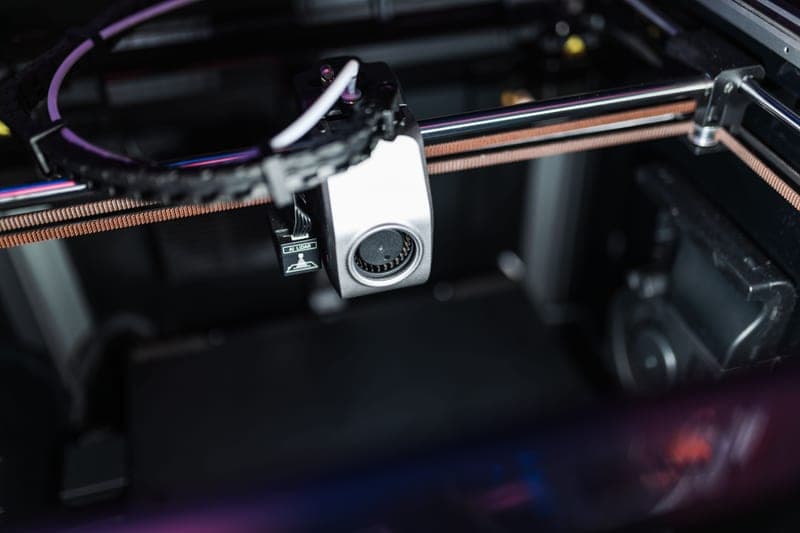
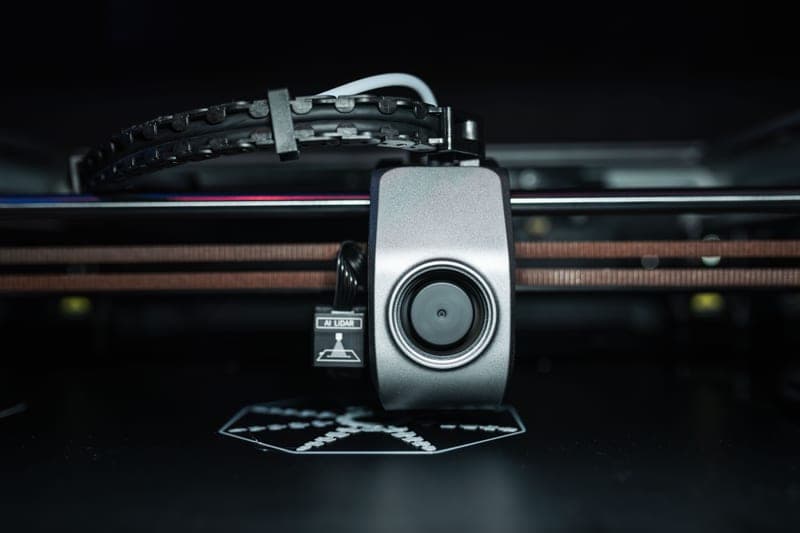
High-flow filament is formulated to melt faster, which only helps if the hotend can deliver that flow rate. The E3D Revo system in this hotend is high-flow as well as quick-change, for the P1S, P1P and X1C.
Listed to make the point honestly: buying HF filament for a standard hotend at moderate speeds is unlikely to show a difference. The two halves go together.
What it gets right
- Revo nozzles change by hand in seconds — this is the single feature people buy a P2S for
- High-flow geometry is a genuine throughput gain on large single-color prints
- Turns nozzle diameter into a per-print choice instead of a maintenance decision
What it does not
- You are now off the official hotend, so a Bambu support conversation gets harder
- Revo nozzles cost more per nozzle than Bambu's own
- Flow calibration has to be redone; do not expect your old profiles to be exactly right
| System | E3D Revo quick-change nozzle |
|---|---|
| Fits | Bambu Lab P1S, P1P and X1C |
| Positioning | High-flow, high-speed |
Questions people actually ask
What does HF mean in Bambu PETG HF?
High flow. It is formulated for a higher maximum volumetric flow rate, which is a speed property rather than a strength or finish one. Strength and surface quality are broadly comparable to the standard variant.
Is PETG HF better than PETG Basic?
Faster in the right conditions, not better. It only helps if filament flow is what limits your prints, which requires a high-flow hotend and genuinely fast printing of large parts. At moderate speeds through a standard hotend, the difference is unlikely to be visible.
Does PETG need drying?
Yes, noticeably - PETG is the material most people first learn about moisture from, and stringing is its signature symptom. Drying it does far more for print quality than choosing between flow variants, and it is a common mistake to tune retraction for weeks instead.
Do I need a hardened nozzle for PETG HF?
No. Neither PETG variant contains abrasive filler, so a stainless nozzle handles both for years. PETG-CF is a different matter, because the carbon fiber filler requires hardened steel.
Which build plate should I use for PETG?
Textured. PETG bonds strongly to smooth PEI, sometimes strongly enough to pull surface off the plate when you remove the part. Textured PEI releases more readily, and letting the plate cool fully before removing the part helps either way.
Sources
Read this next
- The best filament dryers in 2026Dryer picks split by temperature range and capacity, because a 70 C unit and a 110 C unit are different products for different materials.
- How to tell if your filament is wetThe three near-conclusive signs of wet filament, the ambiguous ones, and the free test that settles it in one print.
- Which filaments your Bambu Lab can actually printA per-machine compatibility table, the three things that actually gate material choice, and which of them you can buy your way past.
- Textured PEI vs smooth PEITextured for grip and forgiveness, smooth for a glossy bottom face. Which to use per print, and the dual-texture middle ground.
- The best nozzles and hotends for a Bambu LabHardened steel, quick-change or a second diameter - which nozzle upgrade matches your filament and your machine, with who each is wrong for.