Printers
The best Bambu Lab printer for cosplay and props
Helmets, pauldrons and bracers are large, curved and sanded afterwards. That changes which specification matters, and it is not the one most roundups lead with.
By Michael W. · Published October 6, 2026
Some links here are Amazon affiliate links, so a purchase may earn this site a commission at no cost to you. It does not change what gets recommended or the order it appears in — how that works.
Quick picks
Tap any row to jump to the full write-up. Prices and stock live on Amazon, never here.
| # | Product | Best for | Price |
|---|---|---|---|
| 1 | 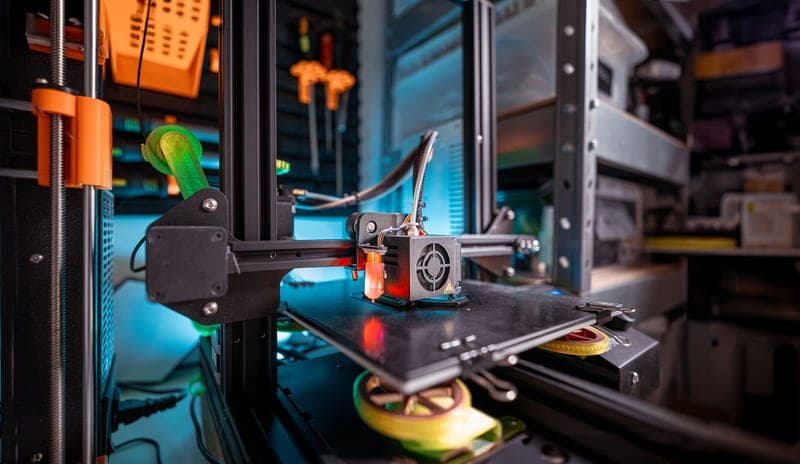 Bambu Lab H2S The reported 325 x 320 x 325 mm bed removes more glue seams per dollar than anything else in the range. | Best for cosplay overall Buying the H2 build volume without paying for a dual nozzle you would not use | Check price on Amazon #ad We earn a commission · live price shown on Amazon |
| 2 | 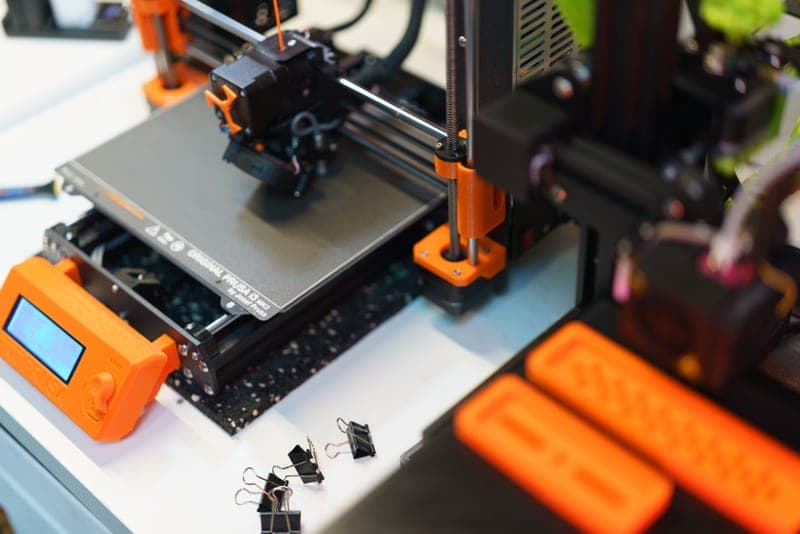 Bambu Lab A2L Large format without an enclosure, which suits PLA props and suits nothing else. | Best open-frame option for big PLA parts A large open-frame bed for big PLA and PETG work, plus the blade toolhead | Check price on Amazon #ad We earn a commission · live price shown on Amazon |
| 3 | Bambu Lab H2D Dual nozzle means soluble supports, which is the one capability that changes what geometry you can attempt. | Best if your props have undercuts The genuine step up — large format plus a direct-drive dual nozzle in one machine | Check price on Amazon #ad We earn a commission · live price shown on Amazon |
| 4 | 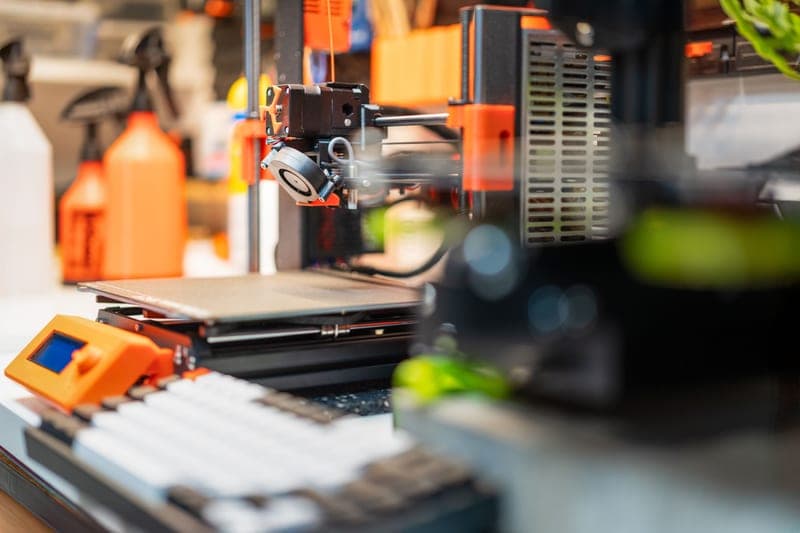 Bambu Lab P2S A 256 mm cube and a quick-swap nozzle, for people whose workflow already involves splitting and gluing. | Best if you are sectioning parts anyway The P1S owner whose actual complaint is the nozzle swap and the missing screen | Check price on Amazon #ad We earn a commission · live price shown on Amazon |
The short answer
For cosplay and prop work, the Bambu Lab H2S is the best machine in the current range: at a reported 325 x 320 x 325 mm it prints helmet- and pauldron-sized parts in one piece, and it does that for less than the H2D because it drops a second nozzle most prop makers never load.
Pay the H2D premium only if your designs have deep undercuts that want soluble supports. Choose the A2L if everything you print is PLA and you want large format without an enclosure. If you already split and glue every part on purpose, build volume is not your problem and the P2S is the right enclosed machine instead.
Why cosplay changes which specification matters
Almost every printer roundup ranks on print quality and speed. For prop work both are close to irrelevant, because a cosplay part does not leave the printer finished. It gets sanded, filled, primed, sanded again and painted. Layer lines that would ruin a display model disappear under two coats of filler primer.
What survives that process is geometry. A glue seam is still there after paint if the joint was not perfect, and the thin walls typical of wearable armor make a bad joint easy to produce. So the specification that actually decides the outcome is the one that determines how many joints exist: build volume.
The second thing that survives is heat. A PLA prop left in a car in July deforms, and that is the single most common material regret in this hobby. If your props travel, you want ABS, ASA or PETG, and ABS and ASA need an enclosed machine — which rules out the open-frame options regardless of how big their beds are. How to print ABS covers the settings side.
The seam-count test, before you spend anything
This takes ten minutes and it is more useful than any review. Open the last five prop models you printed or intend to print. For each one, slice it twice: once at a 256 mm cube, once at 325 x 320 x 325 mm. Count the parts.
- Same part count both times: you do not need a large-format machine. Buy the enclosed 256 mm machine and spend the difference on filament, a dryer and a second plate.
- One or two fewer parts on the bigger bed: borderline. The large machine is nicer, not necessary.
- Three or more fewer parts, repeatedly: buy the build volume. You are paying for those joints every single time in sanding hours.
Reported build volumes, and the models we will not put a number on
This matters here more than on any other page, because the whole decision is bed size. bambulab.com returns HTTP 403 to our fetches, so the only figures below are ones a third-party source we actually fetched stated. Where none did, the row says so.
| Model | Reported build volume | What it means for prop work |
|---|---|---|
| H2D | 350 x 320 x 325 mm | Largest reported figure in the lineup |
| H2S | 325 x 320 x 325 mm | 25 mm narrower than the H2D, single nozzle |
| X2D | 256 mm cube | Same class as a P1S; the chamber is the upgrade, not the bed |
| P2S | 256 mm cube | Same class as a P1S |
| A2L | No attributable figure | Described as large format; no published number we could cite |
| A1 / A1 mini / P1S / X1C | No attributable figure | Widely quoted, nowhere we could attribute |
Nozzle size matters more than printer choice for armor
Shells and bulk
A 0.6 mm nozzle on a wearable shell is close to a free upgrade. Walls get thicker per perimeter, print time drops substantially, and the extra layer-line visibility is sanded off anyway. If you buy one accessory alongside a new machine for cosplay, buy the larger nozzle. Which size for what.
Detail parts
Insignia, filigree, small mechanical parts and anything that will be seen up close still want 0.4 mm or finer. This is the argument for a quick-swap machine, or for the quick-change hotends that retrofit the behavior onto a P1S.
What I have and have not run
I own and use Bambu hardware and my judgment about the P-series and A-series comes from that. I have not run an H2S, an H2D or an A2L; what is written about them here is published specification, positioning and reasoning, labeled as such. There is no test lab behind this site, no measurement rig, and no benchmark data — how that works in full. Prices live on Amazon rather than here, because a price typed into an article is wrong within a month.
Every pick in full
Stock photograph of this product class, not of this specific unit.
#ad We earn a commission · live price shown on Amazon
1. Best for cosplay overall
Bambu Lab H2S
The reported 325 x 320 x 325 mm bed removes more glue seams per dollar than anything else in the range.
Cosplay is the use case where build volume stops being a nice-to-have. A helmet shell, a pauldron or a forearm gauntlet is a large, mostly hollow, mostly curved object, and every time it will not fit you pay for it twice: once in the slicing and gluing, and again in the sanding and filling along a seam that will telegraph through paint if you rush it.
At a reported 325 x 320 x 325 mm, the H2S is close enough to the H2D to make the same class of part in one piece, for meaningfully less. For a prop maker that difference is not a saving on paper, it is the difference between a two-part helmet and a four-part one.
Single nozzle is the trade, and for cosplay it is the right trade. Props are generally one material, sanded and primed, and the finish comes from filler and paint rather than from the printer. Spend the saved money on a dryer and a second plate so the queue never stops.
What it gets right
- The large-format build area is the only thing a P1S genuinely cannot give you
- Single nozzle means one hotend to maintain instead of two
- Costs less than the H2D for the same reported footprint and near-identical bed size
What it does not
- No dual nozzle, so no support material in a different polymer and no two-color single-head workflow
- Large-format machines want floor or shelf space, not desk space
- If your prints all fit in 256 mm, you are paying for air
| Released | August 26, 2025 |
|---|---|
| Type | Large-format enclosed, single nozzle |
| Build volume (reported) | 325 x 320 x 325 mm |
Stock photograph of this product class, not of this specific unit.
#ad We earn a commission · live price shown on Amazon
2. Best open-frame option for big PLA parts
Bambu Lab A2L
Large format without an enclosure, which suits PLA props and suits nothing else.
Released in June 2026, the A2L is the large-format open-frame machine, with a blade cutter as its headline feature. For cosplay that combination is more relevant than it first sounds: most props are printed in PLA or PLA+, open frames cool PLA well, and a cutter toolhead is genuinely useful for the fabric and foam side of a build.
The caveat I have to state plainly is that no build volume figure for this machine could be attributed to a source we were able to fetch. It is described as large format; we are not going to put a number on it that we cannot cite. Check the listing specification before you buy on the strength of bed size.
The structural limit is the open frame. ABS and ASA warp without a warm chamber, and a prop that will live in a car trunk between conventions wants one of those materials rather than PLA. If that is your situation, the enclosed machines above are the honest answer.
What it gets right
- Large format without the price of an enclosed H2-class machine
- The blade cutter makes it a two-job machine for anyone who also cuts sheet material
- Open frame is far easier to keep cool for high-speed PLA
What it does not
- Released June 2026, so almost nothing third-party fits it yet and the SERP for it is nearly empty
- Open frame rules out ABS and ASA, which is exactly the limit people upgrade to escape
- I have not run one; everything on this site about the A2L is positioning, not observation
| Released | June 1, 2026 |
|---|---|
| Type | Large format |
| Headline feature | Blade cutter |
Stock photograph of this product class, not of this specific unit.
#ad We earn a commission · live price shown on Amazon
3. Best if your props have undercuts
Bambu Lab H2D
Dual nozzle means soluble supports, which is the one capability that changes what geometry you can attempt.
The reason to pay the H2D premium for prop work is not the extra 25 mm of bed. It is the direct-drive dual nozzle, and specifically what that allows: a support material in a different polymer that breaks or dissolves away instead of being cut out.
For armor shells that rarely matters. For a creature mask with deep undercuts, a weapon with an internal mechanism, or anything with a captive part, it is the difference between a printable design and a design you have to split and re-engineer. A second color in one part is the same mechanism used differently.
Be honest about your own back catalogue before spending the difference. If the last ten things you printed were shells you sanded, the H2S is the better buy and the money saved buys a lot of filament.
What it gets right
- Direct-drive dual nozzle is a different kind of machine, not a faster version of the one you own
- The largest reported build area of the models an enthusiast realistically buys
- Two hotends means dissolvable or contrast material without an AMS color-change purge every layer
What it does not
- This is the biggest single jump in money in the whole lineup — it has to replace a workflow, not a wish
- Two nozzles is two of every maintenance task
- If multi-color is the actual goal, an AMS 2 Pro on your existing printer gets you most of the way for a fraction of it
| Released | March 25, 2025 |
|---|---|
| Type | Large-format enclosed, direct-drive dual nozzle |
| Build volume (reported) | 350 x 320 x 325 mm |
| Laser Edition (reported) | Adds laser, blade and pen toolheads |
Stock photograph of this product class, not of this specific unit.
#ad We earn a commission · live price shown on Amazon
4. Best if you are sectioning parts anyway
Bambu Lab P2S
A 256 mm cube and a quick-swap nozzle, for people whose workflow already involves splitting and gluing.
There is a real argument for not buying the big machine. Plenty of experienced prop makers split every part on purpose — it lets you print the curved faces flat, which is stronger and needs less support, and the seams end up where you planned them rather than where the bed ran out.
If that is already how you work, build volume is not your constraint and the P2S is the sensible enclosed machine: reported 256 mm cube, a touchscreen, and a quick-swap nozzle that matters more than it sounds when you are alternating a 0.6 mm nozzle for bulk shells and a 0.4 mm for detail parts.
What it will not do is reduce your part count. Go in knowing that, and it is a good purchase; go in hoping for bigger prints and it is a disappointment. Full argument on P1S vs P2S.
What it gets right
- Quick-swap nozzle turns a 0.4-to-0.6 change from a maintenance task into a between-prints decision
- A real touchscreen on the machine, so you are not opening an app to start a print
- Same footprint and roughly the same build area as the P1S, so your enclosure and shelf still work
What it does not
- If you have never once wished your P1S had a screen, this is not the upgrade you need
- Reported build volume is a 256 mm cube — the same class as the P1S, so it buys you nothing in size
- Your P1S-specific third-party parts may not carry over; check fitment per part, not per brand
| Released | October 9, 2025 |
|---|---|
| Type | Enclosed CoreXY, P1S successor |
| Over the P1S | Touchscreen and quick-swap nozzle |
| Build volume (reported) | 256 mm cube |
Questions people actually ask
What is the best Bambu Lab printer for cosplay?
The H2S. Its reported 325 x 320 x 325 mm build volume prints helmet- and pauldron-sized parts in one piece, and it costs less than the H2D because it has a single nozzle rather than two - a capability most prop makers never use. Pay the H2D premium only if your designs have deep undercuts that need soluble supports.
Do I need a large-format printer for cosplay?
Only if your parts actually do not fit. Slice your last five prop models twice, once at a 256 mm cube and once at 325 x 320 x 325 mm, and count the parts. If the count is the same, buy the enclosed 256 mm machine instead and spend the difference on filament and a dryer. If the bigger bed removes three or more parts repeatedly, buy the build volume.
Can I print cosplay armor on a Bambu Lab A1?
Yes, in PLA and PETG, accepting more joints because the bed is smaller and accepting that the open frame rules out ABS and ASA. The practical issue is heat: a PLA prop left in a hot car deforms. If your props travel to conventions, you want an enclosed machine and an ABS or ASA print.
What nozzle size is best for cosplay prints?
0.6 mm for shells and bulk parts - thicker walls per perimeter, much faster prints, and the extra layer-line visibility gets sanded off before paint anyway. Keep 0.4 mm for insignia, filigree and small mechanical parts that will be seen up close.
Is the H2D worth it over the H2S for prop making?
Usually not. The extra 25 mm of bed width changes almost nothing for prop geometry. The real difference is the direct-drive dual nozzle, which allows a soluble or breakaway support material - valuable for masks and weapons with deep undercuts, and irrelevant for armor shells you sand.
Sources
- Bambu Lab model list, release dates and model descriptions - Wikipedia
- Reported build volumes and chamber temperatures - third-party lineup roundups captured October 2026 (3dprinting.com, precwise.com, innoaddi.com)
Read this next
- The best Bambu Lab printer to step up to in 2026One pick per upgrade situation, from the P1S owner who should keep their machine to the owner who genuinely needs the H2 build volume.
- Which Bambu Lab printer has the largest print areaThe H2D holds the largest reported figure at 350 x 320 x 325 mm - with the full table, the models we will not estimate, and the test for whether you need it.
- Bambu Lab H2D vs H2STwo machines on one chassis. The beds are nearly the same; the difference is one nozzle, and most people will not use the second.
- The best Bambu Lab printer for ASAWhich machines handle ASA and ABS, why passive and active chambers differ, and the free technique to try before buying.
- Bambu Lab nozzle sizes explainedWhat 0.2, 0.4, 0.6 and 0.8 mm nozzles are each for, what changing costs in re-slicing, and why friction stops most people switching.
- How to print ABS on a Bambu Lab printerThe four real causes of ABS failure in order, the warm-up step most people skip, and the cooling setting that works against you.